Funding in the Enterprise Support Ecosystem: 10 Years of Findings
Funding in the Enterprise Support Ecosystem: 10 Years of Findings
Youth unemployment and limited access to finance remain pressing challenges in Ghana’s enterprise ecosystem. Despite the rise of social enterprises and startups over the past decade, many ventures struggle to secure sustainable funding sources that can support them until they are strong enough to grow independently. Without adequate financing and structured business support, these ventures risk stagnation, leaving young entrepreneurs , particularly women — vulnerable to economic uncertainty (British Council, 2019).
Innohub Foundation, an enterprise support organisation based in Accra, Ghana, has been at the forefront of addressing this challenge for the past ten years. Established to provide financing pathways and capacity-building for micro and small businesses, Innohub has played a pivotal role in shaping Ghana’s social enterprise landscape (Innohub Foundation, 2020). Over this period, the ecosystem itself has expanded significantly, with more startups entering the market and a growing number of young leaders driving these ventures. Notably, about 40% of youth-led ventures are now started by women, reflecting a shift toward inclusivity and empowerment (GIZ, 2021).
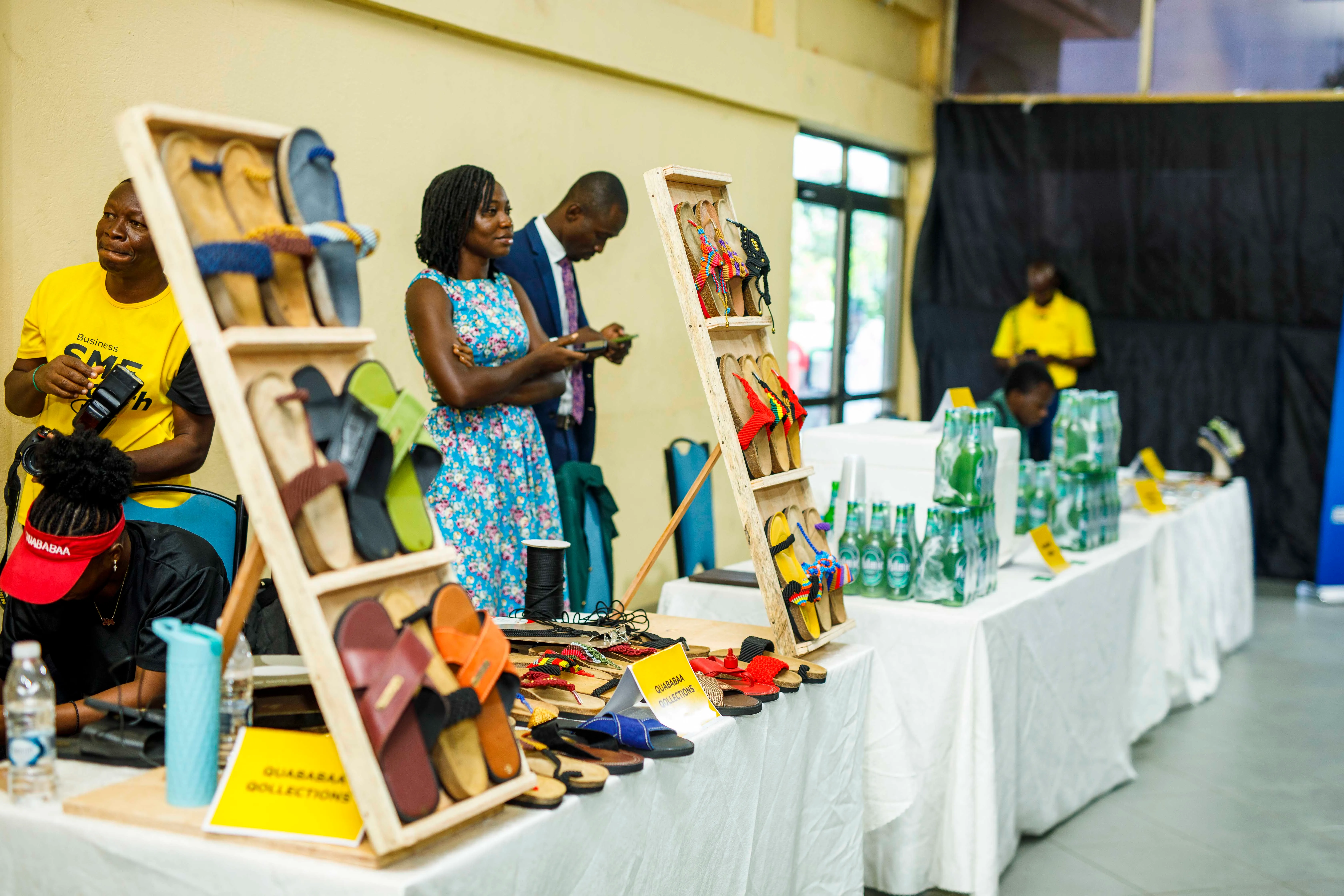
Enterprise support organisations (ESOs) and donor agencies have gradually increased their involvement in supporting SMEs. Early players such as the British Council provided training and limited funding, enabling entrepreneurs to acquire essential tools and knowledge (British Council, 2019). For example, a fruit juice business receiving a modest grant of GHS 5,000 could purchase a deep freezer — a small investment that significantly expanded its production capacity.
Speaking to the senior manager, consulting services, Letitia Varney on the evolution of funding in the ESO market, she expressed that, over time, support became more targeted. Agencies like GIZ focused on agritech businesses, equipping them with skills and tools rather than direct funding (GIZ, 2021), while organisations such as SNV expanded regional coverage beyond Greater Accra to Ashanti and the Western Region (SNV, 2022). This diversification ensured that support reached businesses across the country, not just in urban centres. The common denominator is that through the changing scenes and evolution, Innohub has been there embracing the change and welcoming the inclusivity whiles maintaining a high level of professionalism, credibility, and structured delivery that consistently reinforces trust among partners and beneficiaries.
INSERT PICTURE
The past decade has seen measurable progress:
Increased participation: More women and youth are leading ventures, with women accounting for nearly 40% of new enterprises (British Council, 2019).
Sectoral diversification: Support has extended to agritech, food processing, and other industries, creating resilience in the ecosystem (GIZ, 2021).
Capacity building: Training in financial record keeping, market research, and business planning has strengthened SMEs’ ability to survive beyond the startup phase (SNV, 2022).
Regional spread: Support has moved beyond Accra, ensuring broader national impact.
While growth has slowed in the past four years, the ecosystem remains stronger and more diverse than it was a decade ago.
Over ten years, an estimated $1 million in resources has been channelled into training facilities, mentorship programmes, and sector-specific initiatives (Innohub Foundation, 2020). These investments have not only provided financial support but also institutional credibility. Debt and equity financing remain unattractive to many SMEs, but blended approaches — combining small grants, technical assistance, and mentorship — have proven effective in sustaining ventures (GIZ, 2021).
With a 10‑year track record and a reputation for being a catalyst for entrepreneurs to access funding, scale, and achieve sustainability, Innohub has earned its place as the trusted voice when it comes to ESO market analysis—providing evidence‑based insights, shaping policy conversations, and guiding stakeholders toward inclusive and resilient entrepreneurial growth.
The story of Ghana’s enterprise ecosystem is one of resilience and gradual transformation. From the early days when only a handful of ESOs and donor agencies were active, to today’s more diverse and inclusive landscape, the journey reflects both challenges and progress. Entrepreneurs like the fruit juice producer who scaled operations with a small grant, or women-led agritech ventures supported by GIZ, embody the tangible impact of these interventions.
References
British Council (2019). Youth and Women in Enterprise Support Programmes.
Innohub Foundation (2020). Annual Report on SME Financing and Support.
GIZ (2021). Agritech and SME Development in Ghana.
SNV (2022). Regional Enterprise Support Initiatives in Ghana.